
Quick answer
What homeowners should know first
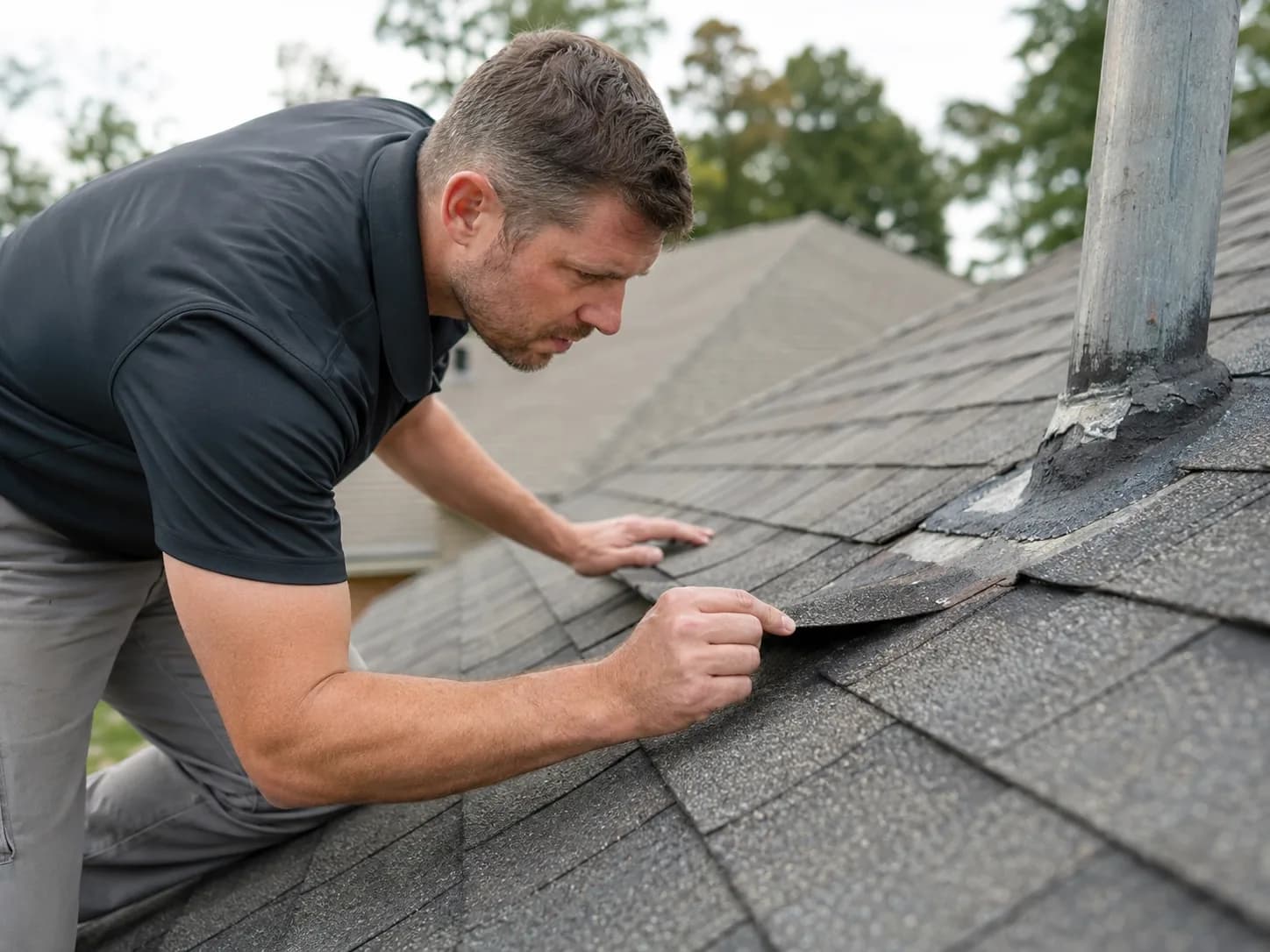
Loose, corroded or improperly integrated flashing can allow water behind roofing materials even if field shingles still look decent. Flashing issues are a leading cause of roof leak calls.
Homeowner roofing guide
Flashing protects the roof where water is most likely to enter.
Flashing is used where shingles alone are not enough, such as walls, chimneys, valleys, skylights and vent penetrations. When flashing fails, leaks often follow.
Quick answer
Loose, corroded or improperly integrated flashing can allow water behind roofing materials even if field shingles still look decent. Flashing issues are a leading cause of roof leak calls.
Homeowner checklist
Chimneys, vent pipes, sidewalls, dormers, valleys and transitions between different roof slopes all rely on properly installed flashing.
Movement, rust, installation problems, poor overlap and aged sealants can all create gaps that let water through.
The correct fix may involve more than the metal itself. Nearby shingles, underlayment and decking sometimes need attention too.
Guide FAQs
The answers provide general context; the actual roof condition still determines whether repair, inspection or replacement is appropriate.
Yes. Installation quality and movement at transitions matter as much as age.
Many flashing details involve metal, but they also depend on surrounding membranes, shingles and sealants.
Related services
Related reading
Local roofing service areas
Roofing Care Pros now focuses local service coverage on Lake Jackson and four nearby Brazoria County cities so roofing guides connect naturally to a smaller, more relevant local market.
Need help with this roof issue?
Use the guide for context, then call to discuss the roof condition, property location and most practical next step.