Homeowner roofing guide

Flat Roof Ponding Water: What It Can Mean

Standing water on a low-slope roof is a sign worth checking.

Flat and low-slope roofs rely on membranes, seams, drains and edge details rather than the fast shedding of a steep shingle roof. When water stays in place too long, it deserves attention.

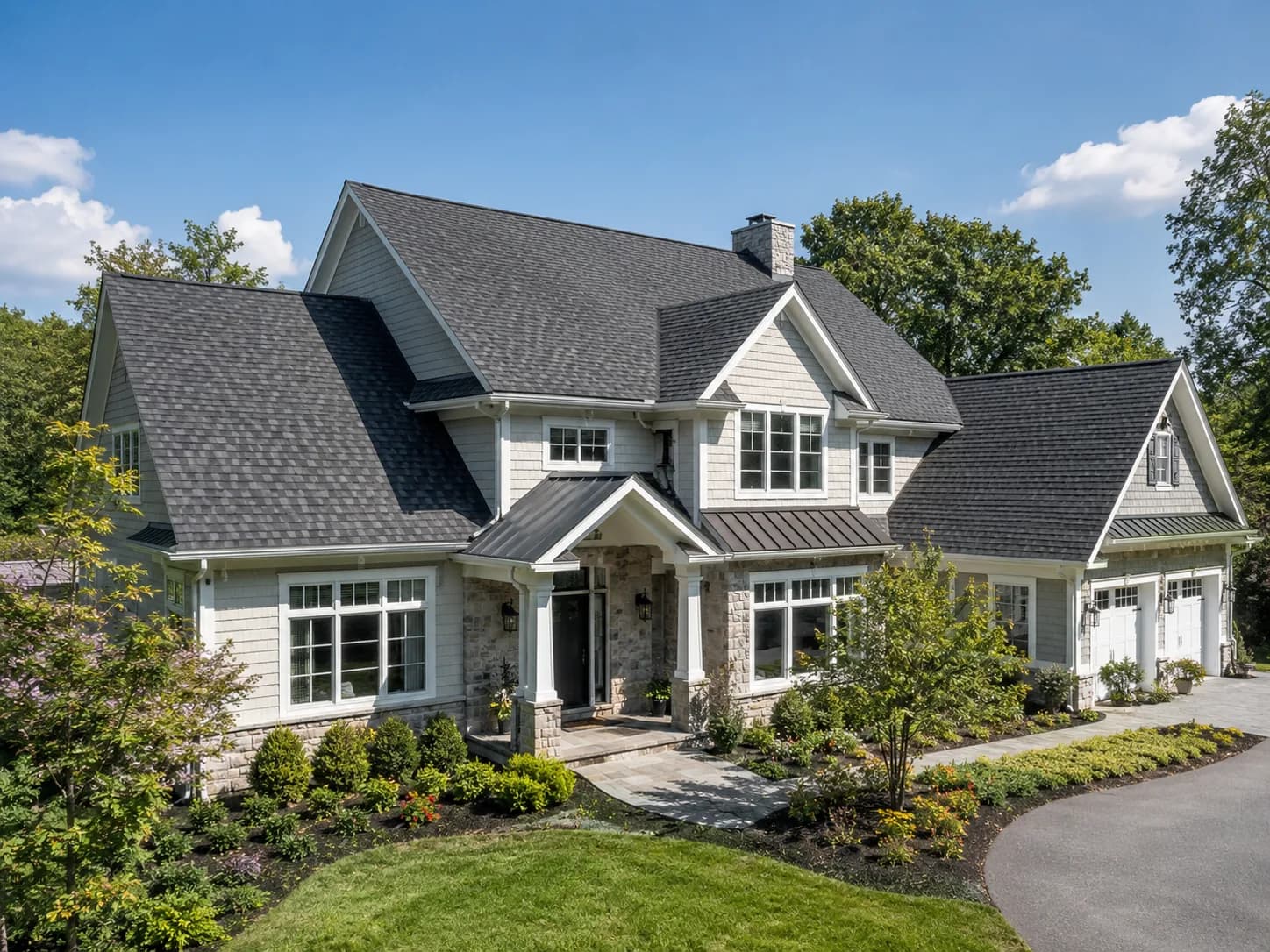
A premium residential home with a clean asphalt shingle roof.

Quick answer

What homeowners should know first

Ponding water may signal drainage issues, roof settlement, membrane wear or clogged outlets. It does not always mean immediate failure, but it should be evaluated before it contributes to leaks or material deterioration.

Homeowner checklist

Practical next steps

  • Check whether water remains more than a short time after rain.
  • Look for nearby drains or scuppers that may be blocked.
  • Notice any interior leaks below the same area.
  • Avoid walking on a wet membrane unless it is safe and appropriate.
01

Why low-slope roofs behave differently

Unlike steep shingle roofs, flat roofing systems are designed to manage slower drainage. Even so, long-term standing water can accelerate wear at seams and penetrations.

02

Common causes

Ponding can result from blocked drains, poor slope, structural settlement or membrane issues that trap water in a localized area.

03

When repair or replacement is discussed

If ponding is limited, drainage or repair work may help. If the membrane is aging broadly or leaks are widespread, replacement may become the better path.
Guide FAQs

Common questions about this roofing topic

The answers provide general context; the actual roof condition still determines whether repair, inspection or replacement is appropriate.

Is all standing water bad?

Not every temporary puddle is serious, but persistent ponding should be assessed.

Can ponding water damage the membrane?

Yes. Over time it can shorten the life of seams, flashings and surface materials.

Need help with this roof issue?

Call to talk through the next step for your home.

Use the guide for context, then call to discuss the roof condition, property location and most practical next step.

Call (877) 497-9711