Homeowner roofing guide

Missing Shingles After Wind: What Homeowners Should Do

Wind damage often affects more than the shingles you can easily see from the ground.

When shingles blow off, the roof becomes more vulnerable to rain, sun and future storms. The visible missing pieces may only be part of the problem.

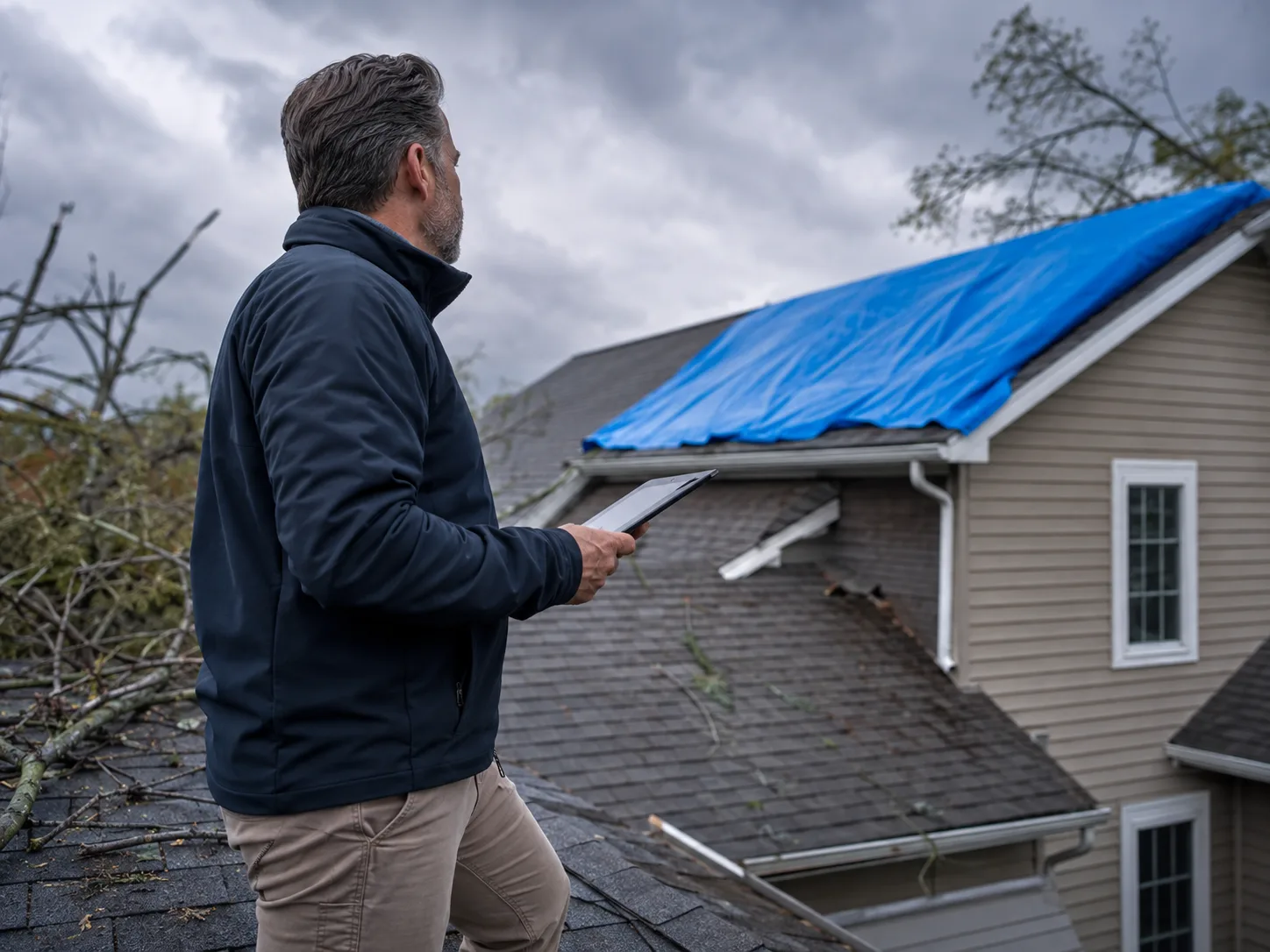
A professional inspecting storm-related roof damage on a home.

Quick answer

What homeowners should know first

A roof missing shingles should be inspected promptly because adjacent tabs may also be loosened or creased. The right next step depends on how many areas were affected, the roof age and whether water is already entering the home.

Homeowner checklist

Practical next steps

  • Take ground-level photos if possible.
  • Avoid walking on a damaged or wet roof.
  • Check indoors for active drips or new ceiling stains.
  • Call sooner if a storm recently passed and more rain is expected.
01

Why wind damage spreads beyond one spot

Wind uplift can break seal strips and crease shingles that still appear to be attached. Those compromised shingles may fail during the next weather event.

02

Repair considerations

If damage is limited and matching materials are available, repair may be possible. The surrounding shingles, fastening area and exposed underlayment should all be reviewed.

03

When replacement enters the conversation

If wind damage affects many slopes or the roof is already old and brittle, replacement may become more cost-effective than repeated spot repairs.

Guide FAQs

Common questions about this roofing topic

The answers provide general context; the actual roof condition still determines whether repair, inspection or replacement is appropriate.

Can wind damage cause a leak right away?

Yes. Missing shingles expose more vulnerable roof layers and can allow fast water intrusion.

Is one missing shingle a big deal?

Even one missing shingle can matter because it changes how water sheds across the roof.

Need help with this roof issue?

Call to talk through the next step for your home.

Use the guide for context, then call to discuss the roof condition, property location and most practical next step.

Call (877) 497-9711